Building and Remodeling in San Diego’s Fire Hazard Zones
Ignition-resistant construction, defensible space and smart material choices for homes in wildfire-prone areas of the county.
Know your zone
Large parts of San Diego County — from canyon-edge neighborhoods in the city to backcountry communities — are mapped as Fire Hazard Severity Zones by CAL FIRE and local agencies. These maps have been updated in recent years, so it’s worth checking your property’s current designation even if you’ve owned it for a long time.
Ignition-resistant construction
New construction and many additions in designated areas must comply with wildfire-resistant building standards in the California Building and Residential Codes (often referred to as Chapter 7A). Key elements include:
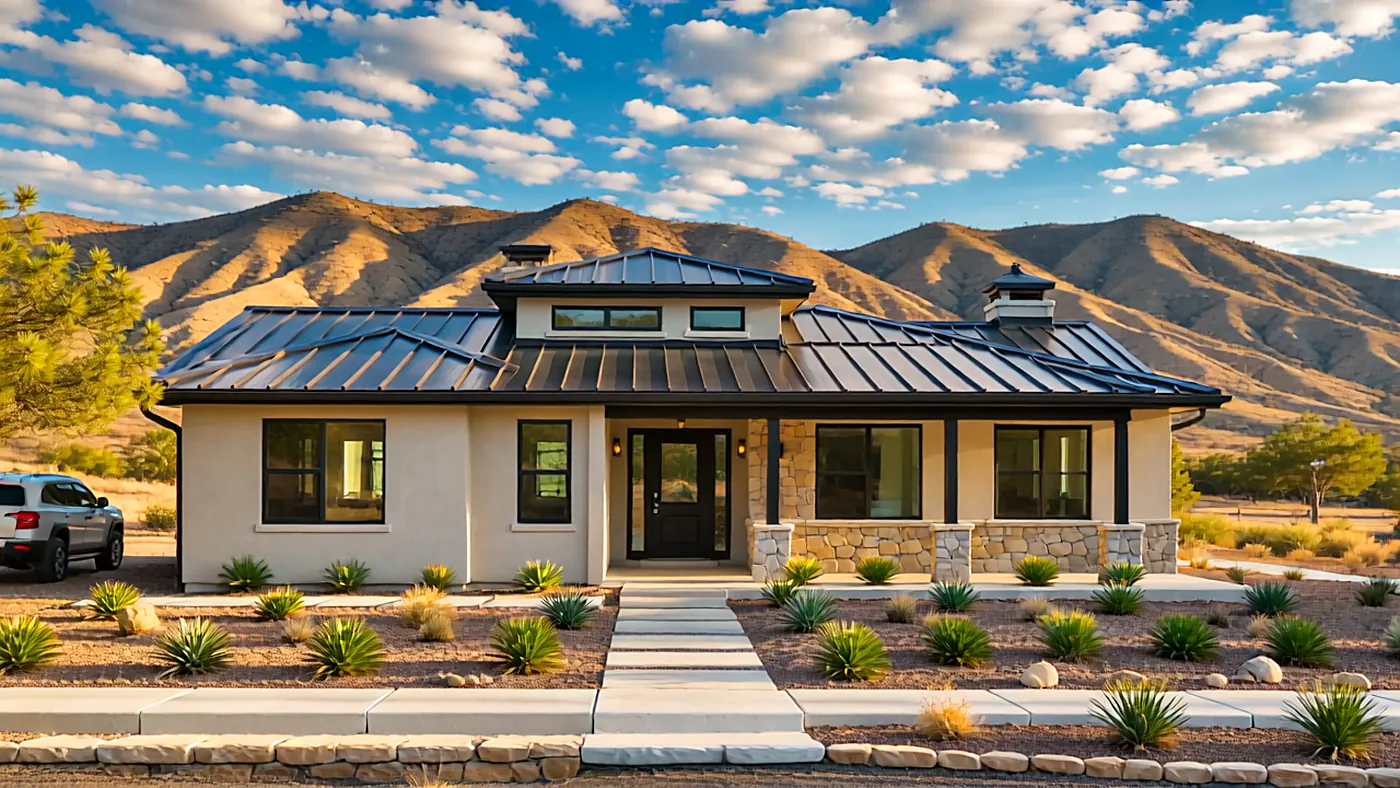
- Roofing — Class A fire-rated roof assemblies.
- Vents — ember-resistant vents designed to keep embers out of attics and crawlspaces.
- Exterior walls — noncombustible or ignition-resistant siding.
- Windows — dual-pane glazing with at least one tempered pane.
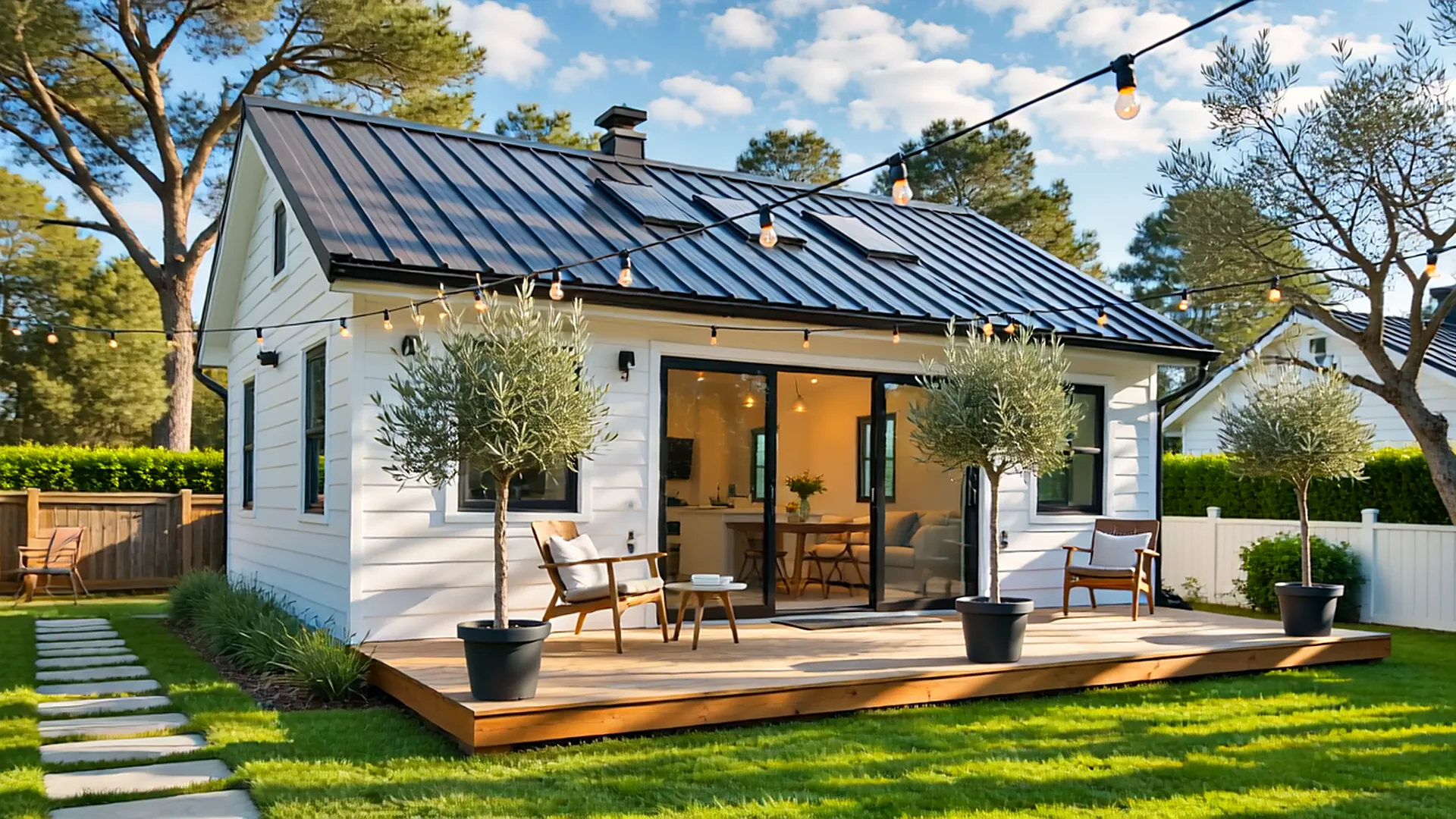
- Decks and eaves — materials and details that resist ignition.
Defensible space
Building materials are only part of the picture. Defensible space — managing vegetation and combustible materials around the home — is required in many areas and makes a major difference in how a home performs during a wildfire. Planning hardscape, plant selection and setbacks for wood structures as part of the design helps.
Upgrading an existing home
Even when a remodel doesn’t trigger full compliance, many homeowners choose to upgrade vents, gutters, roofing, windows and decks while the work is underway. These are often cost-effective improvements that can reduce risk and may help with insurability.
This article is general information for San Diego-area homeowners, not legal or permitting advice. Codes and local rules change; confirm requirements for your property with the responsible agency or a qualified professional.